Division of Campus Life

Office of Student Recovery & Care

A consistent point of care and guidance for students most directly affected by December 13.

The Office of Student Recovery and Care (OSRC) is a multi-year Campus Life resource for students who have self-identified as being most directly affected by the December 13, 2025, shooting that took the lives of two Brown students and forever impacted the Brown community. 
The office provides a consistent point of contact to help impacted students navigate academic, health, financial, residential and other University resources throughout their remaining years at Brown. With a launch of August 1, 2025, the office will remain active through the 2028–29 academic year, with its scope and staffing reviewed as student needs evolve.

Part of Brown’s Recovery Effort

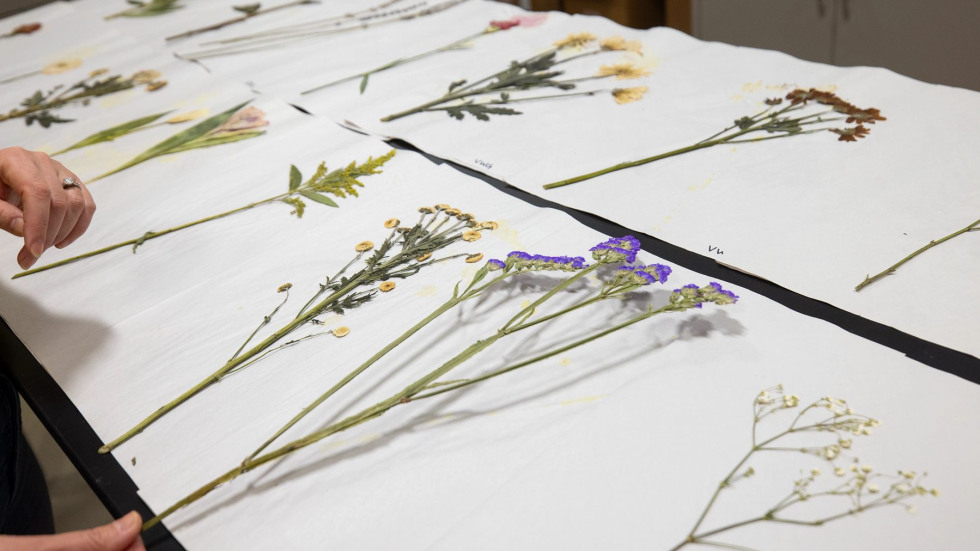
Since December 13, 2025, dedicated work to liaise with partners across campus to meet the needs of students impacted by the shooting has been ongoing. The new office continues this vital effort led by the Integrated Student Support and Recovery Team (ISSRT), the Student Support Services (SSS) team, the interim SSS Deans, and University partners. It reflects our confidence in the care, expertise and collaboration that already exist across SSS, Counseling and Psychological Services (CAPS), Student Health Services, Student Accessibility Services, Residential Life, Financial Services, the College and our many University partners.Pressed flowers arranged on white fabric as part of a memorial herbarium project.

The Office of Student Recovery and Care extends the work of Brown’s broader Brown Ever True Roadmap to Recovery, which is a campus-wide recovery effort launched in the wake of the senseless act of violence perpetrated on December 13. Brown Ever True is grounded in care and coordinates the work of the entire campus to ensure that students, faculty and staff have the resources needed to support the healing and resilience of the full community.

Through Brown Ever True, the University is advancing a broad range of public health-informed resources and targeted supports. These efforts include individualized assistance for impacted students, resources for faculty and staff, community opportunities for remembrance and connection, and ongoing work to strengthen campus safety and preparedness.

The Office of Student Recovery and Care is a key part of this broader path to recovery. Its creation is informed by public health principles of community resilience and targeted support, and reflects practices adopted by peer institutions following mass shootings.


For Students

The Office of Student Recovery and Care is a dedicated resource supporting students who have self-identified as being most directly affected by December 13, including students who were injured, were present in Barus and Holley Room 166 or the immediate vicinity, or had close relationships with students who were injured or killed.

Students who believe they may benefit from support are welcome to contact the office. You do not need to determine whether the office is the right resource before reaching out.

An initial conversation with a service provider will help clarify your needs, answer questions and identify the most appropriate next steps. When another Brown office or resource is better suited to assist a student seeking support, deans in our office will help make that connection and coordinate the transition when helpful.

Contact our Office

Deans in the Office of Student Recovery and Care will work with each student based on the student’s individual circumstances, priorities and preferences. Students may choose the level and type of involvement that feels useful to them. Working with the office is entirely voluntary. Students may accept, decline or pause assistance at any time.

The office can help students:

  • identify the appropriate University resources;
  • coordinate across multiple offices;
  • understand processes and next steps;
  • communicate with University partners, when authorized;
  • address changing needs over time; and
  • maintain a consistent point of contact.

Students who previously identified as being among those most directly affected by the events of December 13 and received support from Student Support Services will not be asked to complete a new intake process, repeat information unnecessarily or independently navigate a new system. The office is committed to a seamless handoff process developed with the student’s dean. 

The Office of Student Recovery and Care does not replace clinical care, academic decision-making, disability accommodation review and approval processes or emergency services. Instead, the office helps students understand, navigate, and coordinate these systems while providing a consistent point of contact over time.

Deans in the office can help coordinate support related to:

  • academics and communication with academic deans;
  • leaves of absence, returns and transitions;
  • counseling, health and wellbeing resources;
  • disability-related accommodations;
  • housing and residential concerns;
  • financial questions and available resources;
  • safety concerns;
  • University policies and processes; and
  • connecting with Brown offices, services and other resources.

The Office of Student Recovery and Care handles student information with care and in compliance with applicable privacy laws and University policies.

Deans speak with students about what information may need to be shared, with whom and for what purpose. Whenever possible, students will be included in decisions about communication and coordination with other offices.

Some circumstances may require the University to share information to address an immediate safety concern, comply with the law or University policy, or carry out an essential University responsibility. Deans can explain these requirements and answer questions about privacy before a student decides how to proceed.

Students may ask to include a family member, friend, adviser or other trusted person in conversations with the office, when appropriate. The student remains at the center of the process.

Support for All Brown Students

The Office of Student Recovery and Care provides targeted support to a defined group of students as part of Brown’s broader recovery efforts. Brown’s full range of student support resources remains available to all students, including Student Support Services, Counseling and Psychological Services, Student Health Services, Student Accessibility Services and advising within the College, the Graduate School, the School of Professional Studies and the Warren Alpert Medical School.

For Faculty and Staff

Faculty and staff have been instrumental in supporting students since December 13. The Office of Student Recovery and Care builds on that work and continued partnership by helping connect students most directly affected by the shooting with informed, appropriate and coordinated support.

Healing looks different for each member of the Brown community, and students’ needs may change over time. Faculty and staff may contact OSRC with questions, consult about an appropriate next step, or refer a student who may benefit from additional support.

Contact our Office

While students served by OSRC have self-identified, faculty and staff who are concerned about a student believed to be among those most directly affected by December 13 may contact the Office of Student Recovery and Care. If a student's connection to December 13 or eligibility for support through the office is uncertain, faculty and staff are encouraged to contact the office for guidance. For concerns about all other students, please submit a Student Support Services Care Referral Form

Ultimately, a student’s engagement with the OSCR is voluntary. At the discretion of the student, deans in OSCR can:

  • consult with faculty and staff about an appropriate next step;
  • determine whether the student is already connected with the office or Student Support Services;
  • coordinate outreach when appropriate; and
  • connect the matter with emergency, clinical or other University resources when needed.

Faculty and staff should not ask students to prove or explain their connection to December 13.

When contacting the office for a service referral, provide only the information needed to understand and respond to the concern, such as:

  • the student’s name and contact information, if known;
  • a brief description of the concern;
  • any recent communication or behavior that prompted the referral;
  • whether the student is aware that the office is being contacted;
  • any immediate deadline or time-sensitive issue; and
  • steps already taken.

Please avoid including unnecessary medical, personal or speculative information.


For Parents and Families

Parents, family members and other trusted supporters can play an important role in helping students access care. Families may contact the Office of Student Recovery and Care to share a concern, ask a question or provide information about a student who may benefit from additional support. The office will review the information promptly and, when appropriate, reach out to the student directly. 

Because students are responsible for making decisions about their own care and participation is entirely voluntary, families should continue communicating directly with their student whenever possible.

Contact our Office

Parents, family members and trusted supporters can help by listening, keeping communication open and reminding students that support is available whenever they are ready.

A student may not have felt they needed assistance immediately after December 13, or their needs may have changed over time. Returning to campus, certain places, classes, or dates may also bring new questions, emotions or practical concerns. Students do not need to wait for a crisis, or know exactly what help they need, before reaching out.

Families can help by checking in without pressure, asking what support would feel useful and reminding students that it is appropriate to seek help at any point. With the student’s permission, family members or other trusted supporters may also participate in conversations with the Office of Student Recovery and Care.

Parents and families who are concerned about a student believed to be among those most directly affected by December 13 may contact the Office of Student Recovery and Care. If you are unsure whether the office is the appropriate resource, please reach out for guidance.

When information is shared, the office can:

  • review the concern and determine an appropriate next step;
  • identify whether the student is already connected with the office or Student Support Services;
  • contact the student directly when outreach may be helpful;
  • coordinate with other University resources as appropriate; and
  • guide families toward emergency, clinical or other support when needed.

OSRC generally works directly with students. While staff may receive and consider information from families, privacy laws and University practices may limit what staff can share in return without the student’s permission.

When contacting OSRC, please include only the information needed to understand and respond to the concern, such as:

  • the student’s name and contact information;
  • a brief description of the concern;
  • recent communication or behavior that prompted you to reach out;
  • whether the student knows you are contacting the office;
  • any immediate deadline or time-sensitive issue; and
  • steps already taken.

Please avoid including unnecessary medical, personal or speculative information.

Support for Any Brown Student

While the Office of Student Recovery and Care has a dedicated purpose and population, the University remains committed to supporting the well-being of all Brown students. For concerns about any other Brown student, families may submit a Student Support Services Care Referral Form, which is available for all undergraduate, graduate, professional and medical students.

Submit a Care Referral


Supporting Parents and Families

If you would like to speak with someone at Brown about questions, concerns, or other needs related to your student, the Department of Parent and Family Engagement can assist you.

VISIT THE PARENT & FAMILY GATEWAY


Contact

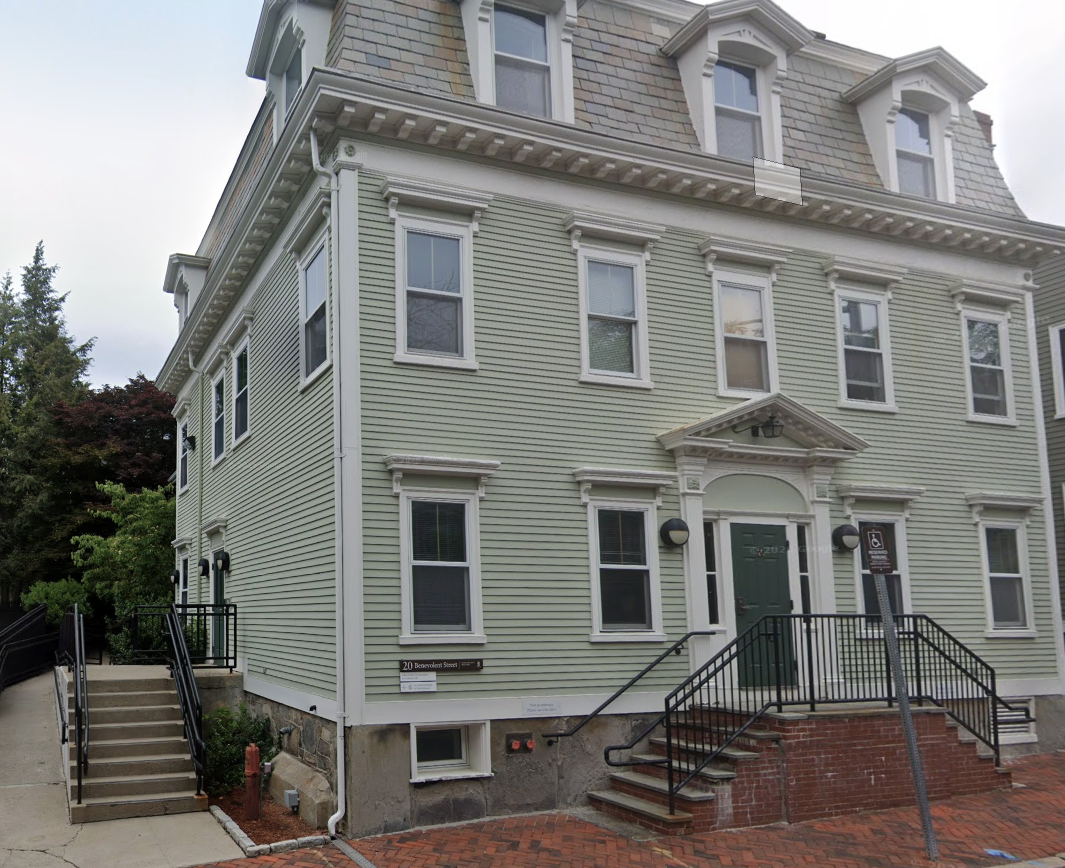
Office of Student Recovery and CareBuilding at 20 Benevolent Street
20 Benevolent Street
Providence, Rhode Island

Email: studentcare@brown.edu 
Phone: 401-863-1800


Staff

Brian Woods, M.Ed.
Associate Dean and Director
Phone: 401-339-9758 

Brian Woods serves as associate dean and director of the Office of Student Recovery and Care. He joined the office after serving as an interim associate dean in Student Support Services beginning in March 2026, where he worked directly with students and Campus Life colleagues on individualized support and University navigation.

In his role, Brian leads the office’s multi-year strategy, coordinates partnerships across Brown and works directly with students to address academic, health, financial, residential and other needs.

With more than 15 years of experience in higher education, Brian comes to Brown having previously served as manager of student services and manager of administrative operations at Rensselaer Polytechnic Institute, academic advisor for student-athletes at Stanford University, and academic counselor and Intergroup Relations faculty member at Skidmore College. Across these roles, he partnered with students, faculty and staff to advance student success, well-being and belonging. 

Brian holds a master’s degree in education and a bachelor’s degree in history from the University of Pittsburgh.

Contact Dean Woods 


Madyson Crawford
Assistant Dean

Madyson Crawford serves as assistant dean in the Office of Student Recovery and Care. Before joining this office, she worked as an assistant director in the Sarah Doyle Center. Madyson brings experience in student engagement, education, relationship-building and helping individuals identify resources and support that meet their needs.

Madyson earned a master’s degree in Women’s and Gender Studies from the University of Texas at Austin. Her professional and scholarly work has focused on belonging, storytelling, community and the experiences of Black women in the American South.

Contact Dean Crawford


Emergency and Urgent Help

The Office of Student Recovery and Care is not an emergency service and does not provide 24-hour crisis response. Please use the contacts below for emergency response for students.

  • For an immediate or life-threatening emergency, call 911 or Brown’s Department of Public Safety at 401-863-4111.
  • For urgent student support concerns outside regular business hours, contact the Administrator on Call through the Department of Public Safety at 401-863-3322.
  • For urgent mental health assistance, contact Counseling and Psychological Services (CAPS) On-Demand at 401-863-3476.
  • For urgent medical advice, contact Nursing Advice at 401-863-3953.